How to Craft the Ideal Carpenter Job Posting

ChiselJobs Team
Published on 2/19/2026
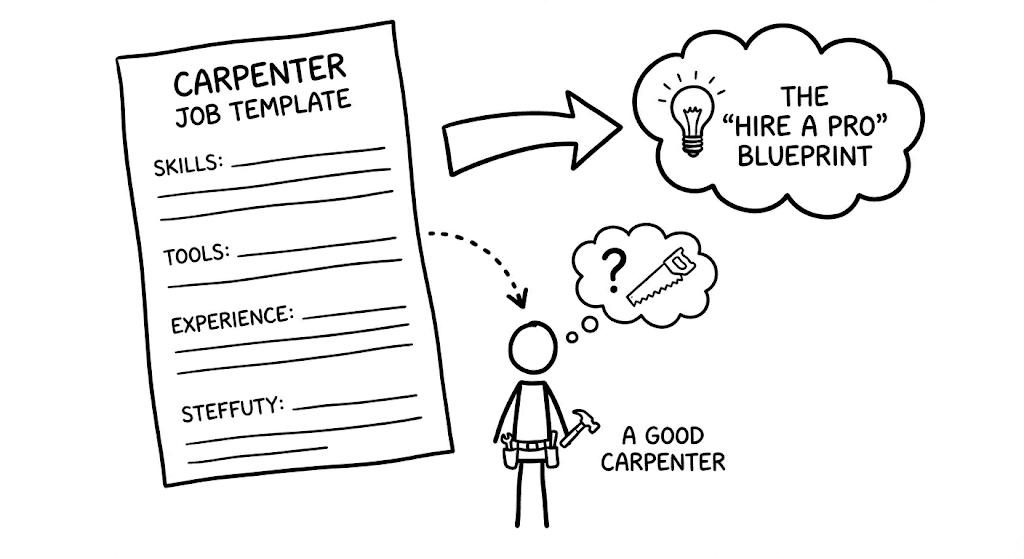
Finding reliable labor in the fast-paced construction industry requires precision and strategic communication. Project managers and site foremen know that securing exceptional talent starts long before the interview. A well-crafted job description serves as the primary blueprint for your entire hiring process. It sets baseline expectations, filters out underqualified candidates, and highlights your crew's professionalism.
Whether you are looking to staff a massive commercial build in downtown Chicago or a high-end residential remodel in the suburbs, understanding exactly how to define the role is crucial. At ChiselJobs, we see hundreds of postings daily. The general contractors who secure the best tradespeople are those who clearly articulate the daily realities, physical demands, and technical requirements of the position. Learning how to write a carpentry job posting effectively is the first step to building a reliable crew.
Core On-Site Duties and Technical Requirements
A successful posting must outline the daily tasks with absolute clarity. Candidates need to know exactly what they will be doing from the moment they clock in. Here are the Standard carpenter job duties you should highlight:
Blueprint Interpretation: The ability to read architectural plans, understand structural specifications, and accurately mark cutting lines.
Structural Framing: Constructing the framework of buildings, including erecting walls, installing roof systems, and building structural stairs.
Floor Systems: The ability to expertly layout and install floor joists, subflooring, and finished hardwood elements accurately.
Material Management: Calculating the necessary board footage, minimizing waste, and selecting the right building materials for the specific climate conditions of your region.
Code Compliance: Ensuring all work adheres strictly to local municipal zoning regulations and national building codes.
Mastering Equipment and Site Safety
Experienced carpenters bring more than just a hammer to the job site. They bring a deep understanding of geometry, structural integrity, and specialized equipment. Your posting should highlight the Essential tools and training for professional carpenters required to succeed and remain productive.
Employers must list the specific tools the crew member is expected to operate safely and efficiently. The candidate must demonstrate absolute mastery over various hand and power tools. Mentioning equipment such as circular saws, compound miter saws, pneumatic nail guns, and rotary lasers adds necessary and practical detail to your posting. You can often find great resources on tool safety through trade publications like Fine Woodworking.
Safety is the cornerstone of any successful build. A qualified candidate must be well-versed in the guidelines set forth by the Occupational Safety and Health Administration in the US. Familiarity with standard OSHA protocols ensures a culture of hazard prevention. Explicitly state that the candidate must follow your local safety and health administration rules regarding proper scaffolding erection, fall protection protocols, and the safe handling of chemical adhesives.
Training Milestones and Educational Background
When looking to hire a qualified carpenter, you must remember that the path to becoming a recognized professional involves rigorous hands-on training and classroom instruction. According to the Bureau of Labor Statistics, the demand for these skills remains incredibly steady.
When outlining educational requirements, specify whether you are looking for a first-year apprentice, a mid-level journeyman, or a seasoned master carpenter. Detail the necessary years of experience required to comfortably handle the workload. For instance, you might require three to five years of proven work experience for a lead position.
Mentioning specific trade certifications or completion of a recognized apprenticeship program helps you attract candidates who have invested heavily in their craft. A candidate who successfully completes a formal program through an organization like the United Brotherhood of Carpentersor NCCER demonstrates a strong, long-term commitment to the trade.
Fostering Growth in a Demanding Environment
Carpentry is physically demanding work that takes place in a variety of environments. Transparency here prevents turnover down the line. Clearly state that the job requires stamina, the ability to lift heavy materials, and the capacity to work in awkward positions for extended periods.
Furthermore, outline the need for sharp attention to detail. A fraction of an inch can compromise an entire structural layout. Workers must be able to work independently when necessary, while also communicating effectively with other construction workers on site to maintain a cohesive workflow. Keeping up with industry standards via platforms like Construction Dive or utilizing site management software like Procore can help your crew stay aligned.
Comprehensive US Carpentry Posting Framework
To help you get started, here is a highly effective, ready-to-use Carpenter job description structure that incorporates all the crucial elements discussed above. You can adapt this template just like the ones found on major boards.
Job Title: Lead Carpenter Location: Chicago, IL (or your local city) Job Type: Full-Time
About Our Company: [Insert a brief paragraph about your company history, the types of builds you specialize in, and your core values.]
Role Overview: We are seeking a highly skilled and safety-conscious professional to join our growing crew. The ideal candidate will have extensive Residential and commercial carpentry skills. You will be responsible for taking projects from the blueprint phase through to final inspection while meeting our strict quality standards.
Daily On-Site Responsibilities:
Read and interpret architectural drawings, blueprints, and sketches.
Perform precise layout, measuring, and cutting of wood and structural materials.
Execute all Rough framing and finish carpentry job requirements for walls, roofs, and floor systems.
Install doors, windows, cabinetry, and architectural molding with exact precision.
Collaborate effectively with subcontractors, electricians, and plumbers to keep the project on schedule.
Strictly adhere to OSHA safety guidelines and internal company protocols.
Required Qualifications and Technical Skills:
Minimum of [Insert Number] years of professional site experience.
Journey-level certification or completion of a formal training program is highly preferred.
Expertise in using all standard site equipment safely and efficiently.
In-depth knowledge of current local building codes and regulations.
Strong physical stamina and the ability to lift up to 50 pounds regularly.
Excellent problem-solving skills and exact precision in all measurements.
Compensation and Crew Benefits:
Competitive hourly rate commensurate with proven skills.
[List specific benefits like health insurance, paid time off, tool allowances, or retirement matching.]