Boat Builder/Marine Carpenter Job Description

ChiselJobs Team
Published on 8/20/2026
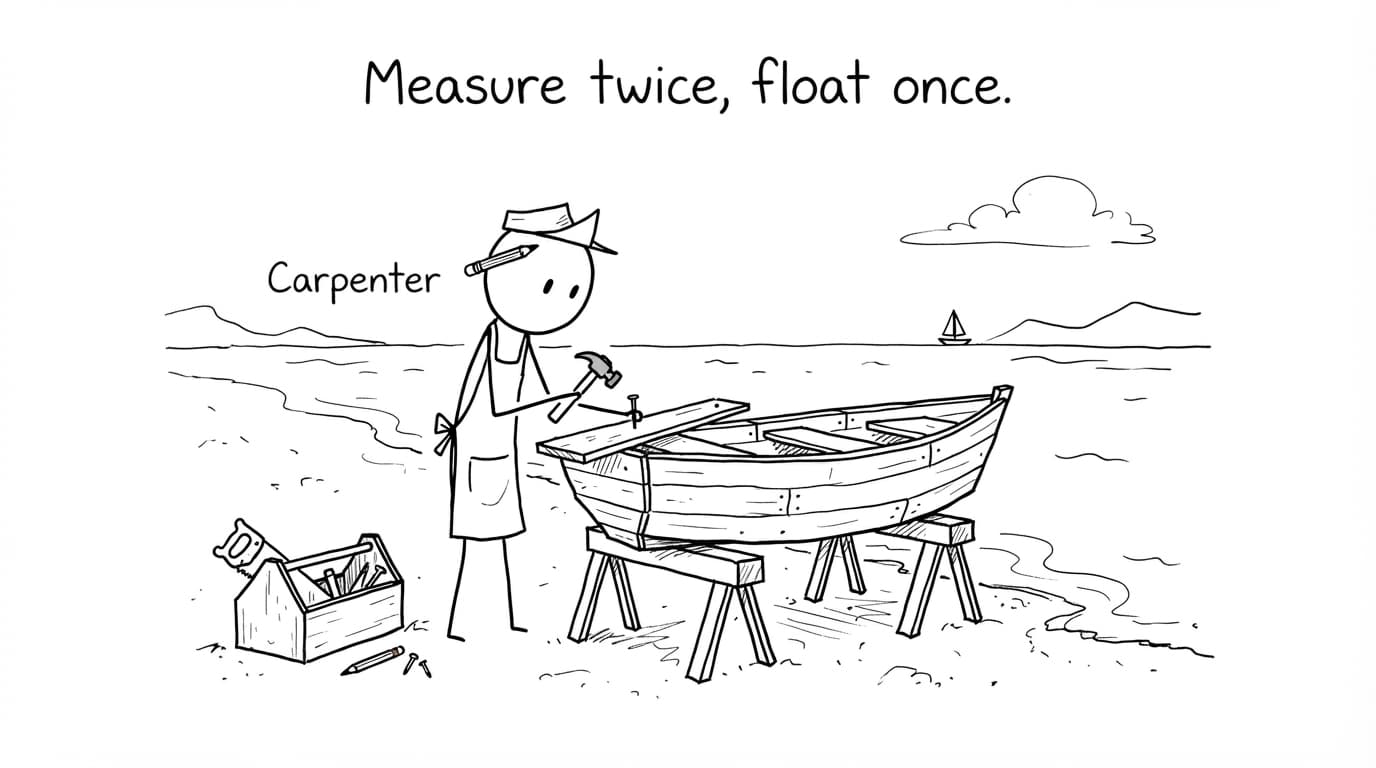
A marine carpenter, or boat builder, specializes in constructing, repairing, and maintaining wooden and composite vessels. From framing hulls to installing fine teak cabinetry, this specialized trade combines heavy timber construction with high-end finish carpentry. According to ChiselJobs, it is one of the highest-paying niches in the carpentry industry.
What does a marine carpenter do on a daily basis?
Marine carpentry is not a standard framing job. Because boats constantly twist, flex, and battle moisture, you will rarely find a straight line or a square corner on water. A boat builder must understand complex geometry and specialized joinery to make sure every joint remains watertight and structurally sound.
According to data compiled by ChiselJobs, the daily responsibilities of a marine carpenter generally fall into two main categories: structural work and finish work.
Structural tasks
Lofting and layout: Drawing full-sized boat plans on a lofting floor to create templates for hulls, frames, and bulkheads.
Framing and hull construction: Setting up the keel, steam-bending wooden ribs, and installing structural bulkheads to establish the skeleton of the vessel.
Planking and decking: Fitting hull planks using scarf joints and caulking seams with marine oakum and cotton to ensure water-tightness.
Composite installation: Working with modern materials like fiberglass, carbon fiber, and epoxy resins to reinforce wooden structures.
Finish and trim tasks
Cabin soles and ceilings: Laying tongue-and-groove flooring and overhead panels that can handle high humidity.
Custom cabinetry: Building lightweight, durable companionways, galleys, berths, and custom storage units that fit into curved spaces.
Teak decking: Installing and caulking high-grade teak decks using specialized adhesives and vacuum-bagging techniques.
Hardware installation: Mounting bronze, brass, and stainless steel marine hardware, ensuring all fasteners are properly bedded to prevent leaks.
What tools and skills are required for professional boat building?
To succeed in a shipyard or boat repair facility, you must master both traditional hand tools and modern power equipment. You also need a deep understanding of how different wood species react to moisture. For example, teak, mahogany, white oak, and marine-grade plywood are staples in this industry.
Tool Name | Marine Carpentry Application | Pro Tip for Success |
Chisels & Slick | Paring joints, cutting mortises, and shaping heavy timbers. | Keep your edge razor-sharp; dull tools tear wood fibers, which lets moisture seep in. |
Circular Saw | Ripping planks and cutting sheet goods to rough size. | Use a high-tooth-count carbide blade to prevent splintering expensive marine plywood. |
Levels & Plumb Bobs | Establishing baseline reference points on a vessel that is not sitting level on land. | Rely on water levels or laser levels when working on boats blocked up in a yard. |
Nail Guns & Fasteners | Fastening structural elements and temporary molds quickly. | Always use marine-grade fasteners, such as silicon bronze or 316 stainless steel, to prevent rot. |
Adhesive Applicators | Dispensing two-part epoxy resins and polyurethane sealants. | Mix epoxies precisely by weight or volume to ensure they cure fully in cold boat yards. |
Spokeshave & Drawknife | Shaping curved spars, tillers, and hull frames. | Work with the grain of the wood to avoid tear-out on complex curves. |
What is the work environment like for a marine carpenter?
Working as a boat builder is physically demanding and highly varied. You will rarely work in a climate-controlled, level shop. Instead, your work environment will shift depending on the project.
Marinas and dry docks: Working outdoors on vessels that are blocked up on land. You will be exposed to wind, rain, heat, and cold.
Inside boat hulls: Working in tight, cramped bilges, engine rooms, and lazarettes where ventilation can be poor and light is limited.
On scaffolds: Standing on staging platforms built around large hulls, which requires excellent balance and constant safety awareness.
Safety is critical in this trade. Because of the hazards present in shipyards, you must strictly follow OSHA safety standards. This includes wearing proper respirators when cutting pressure-treated lumber, sanding fiberglass, or mixing epoxy resins. Fall protection harnesses are also mandatory when working on the decks of large yachts or commercial vessels.
How much does a boat builder make in North America?
Salaries for marine carpenters vary based on your geographic location, your level of experience, and whether you work in a union shop. ChiselJobs tracks wage trends across the maritime sector to help tradespeople find the best opportunities.
Average earnings by experience level
Experience Level | Hourly Wage (USD / CAD) | Average Annual Salary |
Apprentice / Entry-Level | $18.00 – $24.00 | $37,440 – $49,920 |
Mid-Level / Journeyman | $25.00 – $36.00 | $52,000 – $74,880 |
Lead Carpenter / Master Boat Builder | $38.00 – $52.00+ | $79,040 – $108,160+ |
Union versus non-union pay differences
Union marine carpenters, often represented by the United Brotherhood of Carpenters (UBC) or specialized shipyard unions, generally earn higher hourly rates than non-union workers. Union positions also provide robust benefit packages, including health insurance, pension plans, and paid safety training. Non-union shops may offer more flexible schedules and performance-based bonuses, but workers often need to negotiate their own benefits.
How do salaries compare across different regions?
Geography plays a massive role in your earning potential. Coastal areas with major commercial ports, active fishing fleets, or high concentrations of luxury yachts offer the highest wages and the most consistent work.
The Pacific Northwest: This region is a major hub for both commercial fishing vessels and custom wooden boat building. High demand drives wages well above the national average.
New England and the Northeast: Known for its rich maritime history, this area has a high concentration of high-end yacht restoration yards. Master finish carpenters are highly sought after here.
The Gulf Coast: This region focuses heavily on commercial workboats, barges, and offshore supply vessels. While finish carpentry jobs are fewer, there is steady work in structural framing and heavy timber repair.
The Great Lakes: Inland boat yards handle a mix of recreational powerboats and commercial shipping vessels. Work can be seasonal, with peak repair seasons occurring during the winter freeze.
How can you get started and grow your career in marine carpentry?
If you want to build boats for a living, you need a solid foundation in basic woodcraft. Most successful marine carpenters start with one of three pathways.
Trade school programs: Enrolling in a dedicated marine carpentry or wooden boat building program. These schools teach lofting, traditional joinery, and composite technology.
Registered apprenticeships: Working under a master boat builder in a commercial shipyard. This allows you to earn a paycheck while learning the trade on the job.
Transitioning from residential carpentry: If you already know framing, layout, and finish carpentry, you can transition into marine work. You will need to adapt to curved layouts and learn marine-specific materials.
As you gain experience, you can move into leadership roles. Many boat builders advance to become shop foremen, quality control inspectors, marine surveyors, or project managers running entire refit projects.
What are the best ways to increase your earning potential as a boat carpenter?
To maximize your income in this niche, you need to set yourself apart from standard house carpenters. ChiselJobs recommends focusing on these key areas to boost your value to employers:
Get certified: Obtain credentials from the American Boat and Yacht Council (ABYC) in marine systems or composite structures.
Master modern composites: While wood is beautiful, the high-paying commercial market relies heavily on fiberglass, carbon fiber, and vacuum-infusion processes.
Invest in high-quality hand tools: Owning your own high-end slick, drawknife, block planes, and precision levels makes you immediately productive on any job site.
Learn basic marine plumbing and electrical systems: A carpenter who can also run fuel lines, install bilge pumps, or run wire harnesses is twice as valuable to a small boat yard.